The Tin Cup and the Camp Kit: Choosing a Cup for Camp
A tin cup for camp can be a simple drinking vessel or a small utility tool; choose a material and shape that suit your routines and care habits.
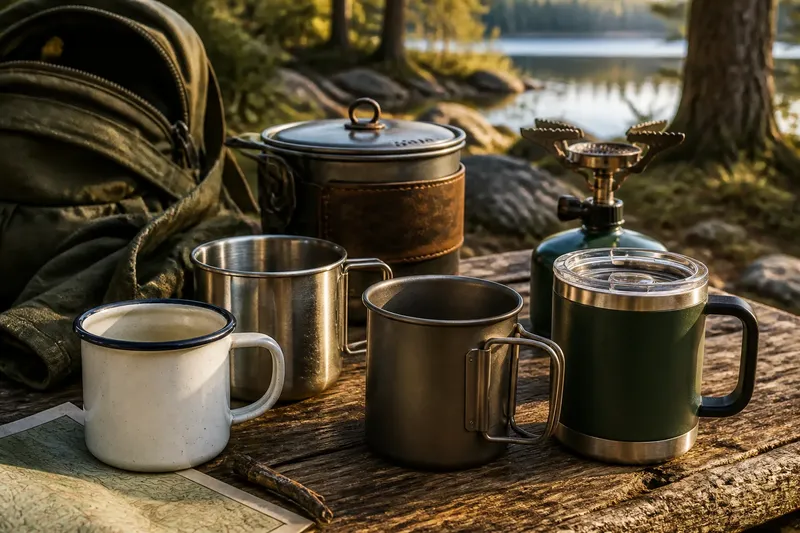
Which camp cup belongs in your kit: a light metal mug that can take a knock, an insulated cup that keeps a drink pleasant, or a plain vessel that earns its place beyond drinking? A tin cup for camp is often a shorthand for a sturdy, portable mug, though current options include stainless steel, enamel-coated steel, titanium, and insulated designs. The right choice depends less on a romantic image of camp and more on how you use, carry, clean, and store the cup.
Choose by the job your cup needs to do
A cup is an everyday object with an unusually broad job description outdoors. It may hold water, tea, or a portion of a meal; it may also serve as a small scoop or a temporary container for loose items. Those extra uses matter only if they fit your routine. A cup that is constantly pressed into service as a bowl may be a poor choice for someone who wants a clean, dedicated drinking vessel.
Start with the moments when you reach for it. If you drink often while sitting around camp, a comfortable handle and a rim you like against your mouth may matter more than a very compact shape. If your cup mostly rides in a pack and comes out for a quick drink, a simple, low-profile design may suit you better. Think of it like a favorite kitchen mug: a familiar grip can matter more than an extra feature you rarely use.
Then consider the rest of your kit. A cup that nests inside a pot or fits neatly beside a water bottle can be easier to keep with you. A large cup may be useful for a drink and a snack, but it can occupy space that another item needs. The best fit is the cup that serves your actual routine without asking you to reorganize the whole kit around it.
Match the material to your care habits
Material changes the cup’s weight, feel, and tolerance for rough handling. Stainless steel is a straightforward option for someone who wants a durable-feeling vessel with few decorative parts. It can dent, but a dent need not make it unusable. Its bare surface can feel hot or cold against the hand, so a handle or sleeve may matter if you dislike that sensation.
Enamel-coated steel pairs a metal body with a glass-like finish. It can offer a familiar, easy-to-wipe surface and a classic camp look. The coating can chip if the cup is dropped or struck, so it suits someone willing to handle it with some care and check its condition. A chipped area may expose the metal beneath; follow the maker’s advice about whether that cup remains suitable for your intended use.
Titanium appeals to people who put a high value on keeping a cup light and simple. It may feel less substantial than thicker steel, and a thin metal cup can pass heat quickly to your hand. If you prefer a more insulated feel, a double-wall cup may be more comfortable, though its construction can make it less suited to nesting or to use over a heat source.
Insulated cups help a drink stay nearer the temperature you prefer, but they are not automatically the most useful camp option. Their lids, seams, and added bulk can require more attention during cleaning and storage. If your cup is mainly for a short drink beside the tent, insulation may add little. If you linger over a hot drink, it may earn the space.
Choose the form that fits your routine
- For a simple drink at camp: Pick a plain metal or enamel cup with a comfortable rim and handle. Fewer parts make it easy to inspect and clean.
- For a cup that also holds a small serving: Choose a shape with enough room and a stable base. A wider opening makes it easier to eat from and wipe clean.
- For a small, tightly packed kit: Look for a cup that nests with cookware or fits into an existing pocket. Check that its handle does not catch on neighboring items.
- For long pauses with a hot drink: Consider an insulated design if you are comfortable carrying and cleaning its lid or sleeve.
- For frequent rough handling: Favor a plain, robust design over a delicate finish or parts that can loosen or go missing.
Say you take a compact pot, a water bottle, and a cup on an easy overnight trip. If the cup fits inside the pot and you mainly drink from it at camp, a plain metal model may keep the kit tidy while serving its main purpose. If you also want to eat cereal from it and dislike hot metal in your hand, a wider insulated cup may be a better match, provided it fits the space you have. The useful decision is not which cup is universally best; it is which tradeoff you will notice less.
Let changing cup designs show their tradeoffs
The familiar tin cup suggests a simple bargain: a hollow metal body, a handle, and few moving parts. It is portable because it is uncomplicated, and useful because a single vessel can serve more than one modest task. Newer forms adjust that bargain rather than replacing it. Thin metal reduces bulk; enamel adds a finished surface; insulation adds comfort; lids add spill resistance and can also add cleaning work.
These changes reflect a recurring tension in camp kit. A cup made lighter or more compact may feel less comfortable in the hand. A cup made more comfortable may take up more room or include parts that need separate care. A cup made for several uses may save you from carrying another vessel, but a deep, narrow shape may be awkward for food or for wiping dry.
Multi-use is most helpful when the jobs are compatible. Drinking and holding a small snack pair naturally. Using the same cup to store loose items can work if you keep it clean and dry afterward. Using a cup as a scoop for foods with strong flavors may leave residue that changes the taste of the next drink. Give the cup the extra jobs you will actually manage, not every job its shape could possibly perform.
Keep the cup pleasant to use and easy to care for
After using a cup, empty it and rinse or wash it as your setting allows. Pay attention to the rim, handle joints, and any lid or sleeve, where residue can collect. Let the cup dry before packing it away so moisture is less likely to sit against other gear. If washing water is limited, remove scraps and keep the cup separate until you can clean it properly.
Store the cup where you can reach it without unpacking unrelated items. A handle that catches on fabric can be turned inward or placed inside another piece of cookware. If the cup nests inside a pot, make sure it is clean and dry first; trapped crumbs or moisture can make the next use unpleasant. These small habits preserve the cup’s usefulness without turning camp cleanup into a project.
Check the surface now and then. Look for a loose handle, a sharp dent, a damaged coating, or a lid that no longer fits as intended. If a defect changes how safely or comfortably the cup can be used, set it aside and consult the maker’s care guidance rather than improvising a repair. For product-specific care and heat use, follow the label or manufacturer instructions.
Which camp cup suits your situation?
Is a plain metal cup enough for camp?
It is enough if you want a simple drinking vessel and do not mind the feel of exposed metal. Choose one with a grip and rim that feel comfortable to you, then keep its other jobs modest.
Should a camp cup be insulated?
Choose insulation if you tend to nurse drinks and value a more comfortable outer surface. Skip it if a quick drink, easy cleaning, and compact storage matter more to your routine.
Can one cup replace a small bowl?
It can for a modest serving if the opening is wide enough to eat from and clean afterward. If you regularly want larger meals or separate drink and food vessels, a cup alone may not suit that habit.
How should I choose between enamel and bare metal?
Enamel suits someone who prefers a finished surface and will protect it from knocks. Bare metal is a simpler choice if you would rather accept dents than monitor a coating for chips.
A tin cup for camp earns its place when its shape, material, and care demands fit the way you spend time outside. Before adding one, hold it if possible, check how it sits with your cookware, and picture the drink or snack you will actually put in it. A small choice like that can make a familiar pause at camp feel easier without asking the cup to do everything.