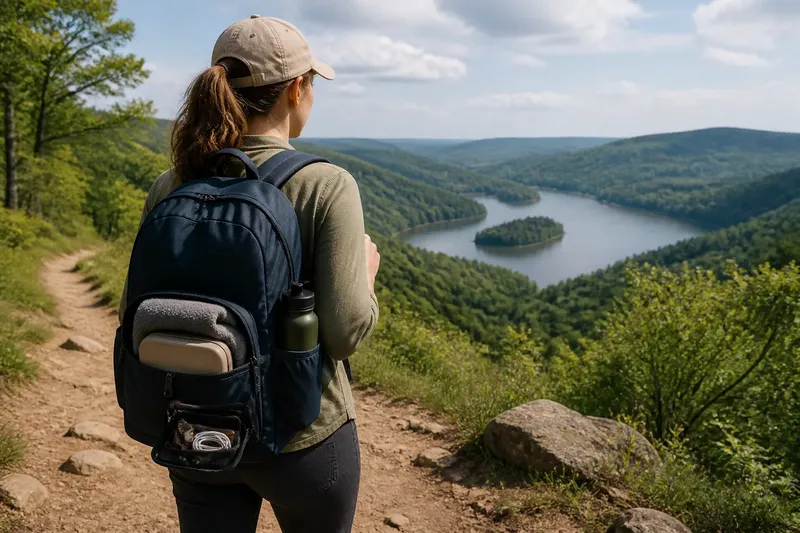
The One-Bag-for-Everything Mistake
A one-bag-for-everything setup can turn simple camp tasks into rummaging. Give food, personal items, and frequently used gear clear homes without adding clutter.
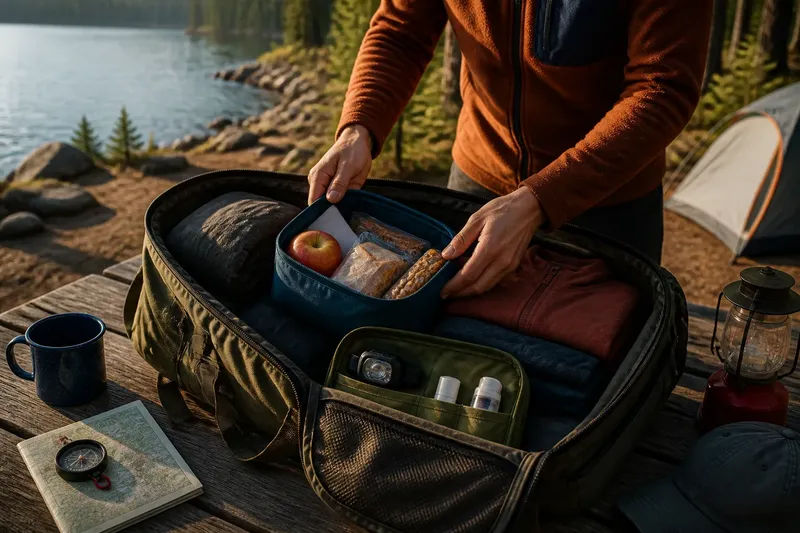
Why does a one-bag-for-everything setup feel tidy at home but turn into rummaging at camp? Often, the bag is not the problem; the trouble is that food, small personal items, and frequently used gear compete for the same space.
A large container can work well for a compact load carried from a car to a picnic spot. But at camp, a single open compartment can make it harder to find a snack, a headlamp, or a toothbrush after dark. Instead of adding specialized organizers, identify which groups you need to reach separately and give only those groups a clear home.
Rummaging starts when every item has the same address
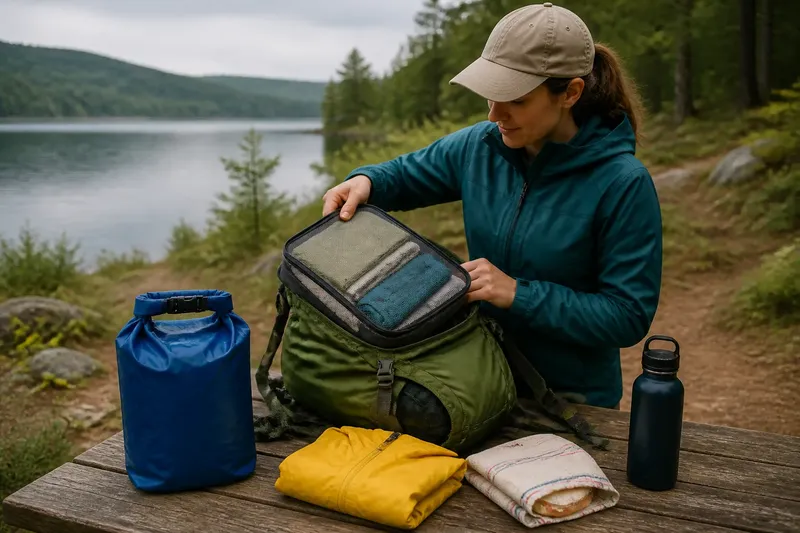
In one open compartment, items near the top are easiest to reach, even if they are not the items you need first. A rain shell might sit beneath a sweatshirt, while a snack has slipped under spare socks. Getting one thing means shifting several others.
This is a layout problem, not a sign that you need more storage. A kitchen drawer works the same way: utensils, batteries, and rubber bands can all fit, but a simple divider makes them easier to locate. In a pack, a few purposeful groups can provide order without creating a collection of pouches.
Before changing your setup, consider your routine. Which items do you reach for during a break? Which do you need only after settling in? Which should be kept apart because they are edible, damp, or likely to shed dirt? Your answers will show whether a separate container solves a real interruption.
Food is easier to find when it has a clear place
Food can get buried when it is tucked around softer items instead of grouped by use. A snack may slide between a fleece and other gear, while lunch components end up in different parts of the main compartment. Searching can disturb nearby items and leave crumbs behind.
Give food a small, identifiable place if that makes it easier to access. A reusable zip-top pouch or a rigid container from home may work, depending on what you are carrying. Keep meal components together when useful, and keep wrappers or other waste with the food group until you can dispose of them properly.
Food storage depends on the food, wildlife in the area, and local campsite rules. Follow product instructions and local requirements for storage and disposal. A convenient packing arrangement does not replace those directions.
Say you are packing a sandwich, an apple, and a snack for an afternoon at a lakeside campsite. Put them together in a washable lunch pouch near the top of the bag, with a napkin and a place for the wrapper. At lunch, you can lift out one group instead of searching around other gear.
Reachable gear should not be buried in the main compartment
Not everything that needs a home is clothing or food. A headlamp, map, sunscreen, or small first-aid item may be needed at a particular moment, and searching for it can disrupt the rest of the bag. Use an existing pocket or one compact pouch for items you tend to reach for in the same part of the outing.
Keep the group focused. A pouch for evening wash-up items, for example, should not become a catchall for unrelated objects. If an item needs quick access, place it where you can reach it without emptying the main compartment.
There is no need to buy a matching set. A clean pencil case, resealable bag, or small container from home can work if its material suits the contents. Keep anything that could leak or soil other gear contained.
A single container still suits some outings
Separate groups are not automatically better. A large tote or backpack may be the simplest choice for a short, predictable outing when there are few items and you will unpack everything at one destination. Extra containers can add clutter and create more loose pieces to keep track of.
Ask whether separation would prevent a repeated interruption. If you can find what you need and items stay in place, your current setup may already work. If you keep shifting the same gear to reach the same snack or headlamp, try one small change rather than rebuilding the whole bag.
Keep the arrangement proportional to the outing. A casual afternoon may need a food pouch and nothing else. An overnight may call for a focused personal-items pouch as well. Use only the containers that make packing or access simpler.
Which items should you organize first?
Should food and other gear have separate places?
Separate them when repeated access or a spill would disturb other items. A small, identifiable food container may be enough; there is no need to split every item into its own pouch.
Do you need special organizers?
No. An existing pocket, clean pouch, or small lidded container can group items. Choose something suited to what it holds, and avoid adding organizers before you know which problem they solve.
Where should frequently used items go?
Keep items you reach for during a break near the top or in a pocket you can identify by habit. Put items used only after settling in deeper, provided you can reach them without scattering the rest of your gear.
How can you tell if you have too many containers?
If you must open several containers to find an ordinary item, or regularly leave them unused, the arrangement may be more elaborate than your routine needs. Remove one and see whether the remaining groups are still easy to identify.
Try a small change before rearranging the whole bag
When the same search keeps happening, change the location of that item group instead of rebuilding your entire setup. Give loose personal gear one clear home or move food out of the area where you keep other items. Then notice whether the specific interruption is easier to avoid.
Imagine you often lift a sweatshirt to find a headlamp after arriving at a familiar picnic site. The starting point is one bag with the headlamp beneath the sweatshirt. Move the headlamp and other evening-use items into a small pouch near the opening, leaving everything else where it is. The result to look for is whether you can reach the pouch without shifting the sweatshirt; the tradeoff is one more container to remember.
After the outing, notice whether items stayed with their assigned groups or kept migrating. A useful arrangement should be easy to remember while packing at home and to use at camp. With a one-bag-for-everything setup, one well-placed pouch may be enough to make the bag easier to use.